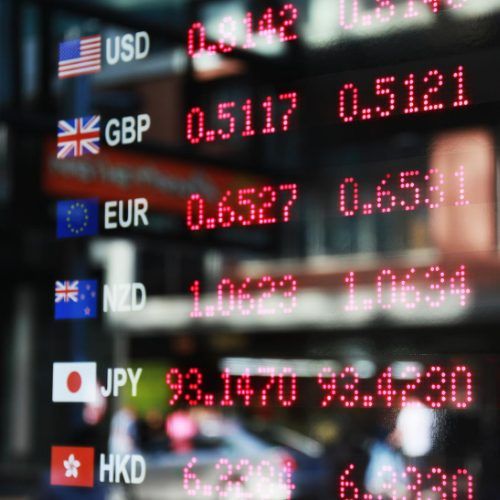
Ten Ways To Compare Local And Online Rates For Currency Exchange
Anyone involved in travel, business or investing must be aware of the distinction between local and online exchange rates. Local rates are the rates offered by exchange centers or banks within your locality or destination. Online rates are offered by digital platforms as well as financial institutions and other currency converters. The rates can be very different, which will impact the cost of exchange as well as the return on investment. By understanding the differences in exchange rates in the local and online markets and rates, you'll be able to make better financial decision. Here are the top 10 specific tips for navigating local and online rates effectively.
1. Different Rates and Their Differences
The local exchange rate may differ significantly from rates on the internet. This is due to a variety of factors like overhead cost, market conditions and demand. Rates and fees for local exchange can be higher because of operating costs. However online platforms provide lower rates thanks to their low cost of operations. Familiarizing yourself with these differences will help you choose the best option to meet your exchange needs.
2. Compare rates before you exchange currencies.
Check rates online and locally before you exchange money. Utilize currency converters and websites that are reliable for the most up-to-date rates. If you're traveling to a different country, you can check the current rate of exchange on the internet, and then check it against what the currency booths and banks have in that region. You can save money by comparing exchange rates.
3. Utilize Online Currency Exchange Platforms
The online currency exchange platforms like Wise or Revolut are usually more competitive and provide less fees than local banks. These platforms usually offer live exchange rates and full transparency regarding any charges. Through these services you can be sure that you get the best possible deal when you convert currencies.
4. Be aware of dynamic currency conversion (DCC).
– You might find that you can purchase items using your local currency using Dynamic Exchange Rate Conversion. While this might seem practical, it usually comes with a negative exchange rate as well as additional charges. Reduce DCC charges by making payments in local currency. You will also gain better exchange rates.
5. Think about Convenience vs. Think about the cost
– When deciding between local and online rates, weigh the convenience against the cost. Local exchanges offer instant access to cash, which is helpful when traveling. But, online exchanges usually provide better rates, but require the establishment of an account, or waiting for money to be transferred. It is important to consider your requirements regarding travel plans as well as business transactions prior to deciding which one is best for you.
6. Track Trends in Exchange Rates
The monitoring of trends in exchange rates can help you to make an informed decision on when to change your currency. Online platforms provide historical data analytical tools, as well as allowing you to track changes in exchange rates. By knowing the patterns in the market, you can plan your currency transactions to take advantage at favorable rates.
7. Review the fees charged by ATMs and withdrawal limits
You may have to pay fees if you choose to withdraw your money locally from an ATM. Different banks have different charges for international transactions. ATMs are also typically governed by restrictions on withdrawals. If you conduct a search for ATMs within the local area before you travel and you can to identify ATMs that have lower fees and better rates.
8. No-Fee Currency Exchange Services
Some platforms on the internet or banks offer currency exchange without charge, particularly for account holders. This is particularly beneficial for business owners or frequent travelers who frequently exchange foreign currency. Setting up an account can allow you to benefit from low rates and superior service. This can increase your savings.
9. Get advice from Financial Experts for Large Transactions
If you have to deal with huge amounts of money or exchanges that are not easy consulting financial experts can prove valuable. Experts in currency can provide valuable advice regarding how to deal with local exchange rates and online rates. This is crucial, particularly for businesses or investors who are involved in international trading.
10. Prepare Ahead for For Your Currency Needs
If you're traveling or doing business, planning in advance for the currency you will need will save time as well as cash. Calculate how much cash will require on your trip and consider the best way to change it. You may want to consider using online platforms prior your trip to exchange currency if you find the local rates to be unfavorable. This will guarantee that you receive better rates and reduce the risk of losing cash on unfavorable transactions.
Use these guidelines to help you navigate the complexities of currency exchange, whether you're traveling, conducting business, or analyzing investments. Knowing the advantages and disadvantages of both will help you to make the right financial choices according to your needs, saving you money. View the best currency exchange for more examples including pound sterling to usd, usd to pkr, 1 usd in rupees, yen to usd, us dollar to rmb, convert pounds to dollars, exchange rate, chf to usd, convert pounds to dollars, rmb to usd and more.

The 10 Best Strategies To Help You Select The Currency Of Your Destination In Terms On Exchange Rates And Rates
Understanding the currency of the destination of the country is crucial for those who conduct international business or executing investments in foreign markets. The currency of the local country is called destination currency. It can have a significant impact on financial decisions. The fluctuation of exchange rates and conversion fees along with the overall economic climate will affect how much you travel, or how profitable your business investments and transactions are. You can make better financial decisions and optimize your strategies by familiarizing yourself the currency you will be using. Here are the top ten tips to manage your currency of choice.
1. Before traveling, check the currency of your destination.
Learn about the currency of your country. Learn how to compare the value of your local currency with that of your own, and get familiar with the denominations. This information will help you control your spending more effectively and avoid overpaying for goods and services. Websites such as XE.com offer live exchange rates as well as historical data that allows you to estimate how much your money will be worth abroad.
2. Check the exchange rates prior to Your Travel
The monitoring of these changes can help you decide on the most suitable time to change your currency. The tools and apps to track currency can be used to set up notifications when rates are in a favorable position. If you're noticing signs that the currency is declining, consider exchanging earlier to maximize the power to purchase on your travels.
3. Currency Conversion Costs to consider
Banks, exchange services and ATMs can charge a wide range of charges for currency conversion. You should be aware of any fees that are associated with the conversion of the currency you are using at home to your destination currency. These fees can quickly add up. Check rates offered by various providers. You may want to consider making use of online platforms that offer lower costs as well as competitive exchange rates and lower conversion rates.
4. Utilize local currency to make transactions
– When making purchases abroad it is best to pay in the local currency, not the currency you use at home. The use of your currency from home often requires the dynamic conversion of currency (DCC), which typically comes with negative exchange rates as well as higher costs. Paying in local currency can help you obtain better rates, cut out unnecessary charges and increase your budget.
5. Prepare your cash needs in advance
– While credit and debit cards are accepted in several countries, it's important to have some cash available for small purchases such as tips or other places that don't accept credit cards. To avoid costs, you need to know the ATM withdrawal limits as well as the associated fees. Having local currency readily available will enhance your travel experience and avoid any hassles.
6. Learn about Local Payments Preferences
Different countries might have different preference for payment. In some countries, cash is the most popular choice. Others may rely more on digital payment or cards. To know the most commonly used methods of payment, you should research the payment practices of your area. This will assist you in determining how to plan and prepare your payment methods.
7. Pay attention to the currency risk you face for your business
If you do business in a different country, bear in mind the dangers of currency fluctuations. The sudden fluctuations in the value of the currency destination could affect profit margins as well in the overall financial performance. You should consider using strategies for hedging, such as forward contracts to lock in exchange rates for future transactions and limit potential losses from currency volatility.
8. Track Your Spending
It is crucial to keep track of your travel budget and your expenditure in the local currency. Utilize budgeting software or keep a log of your expenses in order to determine how much you are spending in local currency. This will allow you to not overspend on your trip and also ensure that you have enough funds.
9. Financial Regulations: You Should Know Your Rights
Different countries have different regulations in relation to currency conversion as well as reporting requirements as well as reporting requirements. It is recommended to familiarize yourself with these rules in order to avoid legal issues when traveling or conducting business. Certain countries might limit the amount of cash you can bring or take out, whereas others may require big transactions to be declared. Being aware of these regulations will help you navigate them.
10. Consult with currency experts for Investments
It is worth consulting with a specialist in currency or financial advisers if your investment portfolio includes foreign markets. They can give you insight into the way that currency fluctuations impact your portfolio of investments. They can also assist you devise strategies to effectively manage currency risks. Their experience can be extremely valuable in understanding the complexity of destination currencies and optimizing your financial performance.
These detailed tips will help you manage the destination currency to help you to travel, conduct business or monitor your investment. Understanding the implications of the currency of your destination will allow you to make more informed financial decisions, that align with your objectives. Check out the top my response on euro for site advice including rs to usd, yen to us dollar, usd to cop, usd to aud, canadian dollar to usd, usd to indian rupees, php to usd, rmb to usd, dollar to rupee, usd to jpy and more.